Tiny Planes Disaster Missions Guide
Earn fast cash on tornado, wildfire, tsunami, and volcano rescues with the right prep and aircraft.
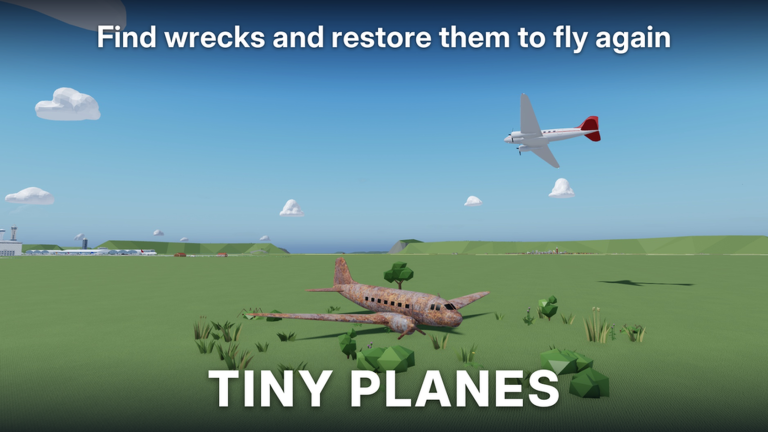
Disaster missions are Tiny Planes’ high-intensity earning and role-play layer. Instead of only dispatching calm island hops, you take emergency careers into tornadoes, wildfires, tsunamis, and volcanic eruptions using specialized aircraft and nerves. Community players repeatedly note that extreme weather and rescue work pay well — sometimes well enough to bankroll the next shop restock or restoration project. This guide explains why that loop works, how to prepare, and how to fold disasters into a healthy airline without burning your main passenger operation.
Complete Getting Started and learn Controls before you chase storms. You want stable takeoffs, map awareness (M), and autopilot (T) fluency for the ferry to the disaster zone.
What counts as disaster content
Expect emergency-styled jobs tied to dramatic hazards:
- Tornadoes — Fast-moving chaos; think quick ingress/egress and avoiding the worst cell while still completing objectives.
- Wildfires — Smoke, tight terrain, and utility flying; patience beats cowboy passes through columns you cannot see past.
- Tsunamis — Coastal timing and low over-water work; know where dry runways remain.
- Volcanic eruptions — Ash and terrain risk; plan exits before you commit inbound.
Exact UI labels can shift with updates, but the fantasy is consistent: leave the comfort of your gated terminal, operate purpose-built or rugged airframes, and cash out hazard pay.
Why disasters pay well
From a design and player-economy perspective, emergency work concentrates risk, skill, and specialty gear into short sessions. That usually means:
- Higher payouts per active minute than another identical short passenger hop.
- Reason to own niche aircraft beyond the passenger tier list meta.
- Natural breaks from building — Useful between Airport Building remodels when you need cash injections.
- Multiplayer stories — Up to five players can stage from private islands and converge on the same event fantasy.
Treat disaster income as a booster, not the only engine. Keep Josi (and later pilots) dispatching baseline routes so a failed rescue night does not zero your progress. Claim daily rewards, playtime cash boosts, and codes on the same schedule you always do.
Prep checklist before you launch
Airfield
- Clear departure path — no decorative towers on the emergency climb-out.
- Staging pad or side taxiway for rescue airframes so they do not block passenger jet bridges.
- Enough runway for the heaviest emergency type you own (see building guide for length-before-luxury).
Pilot skills
- Manual competency for smoky or chaotic arrivals; autopilot for the boring transit only.
- Gear (L), throttle (Shift/Ctrl), and brake (Space) discipline under stress.
- Map-first navigation so you are not discovering the volcano in the wrong valley.
Soft currency and fleet
- Cash buffer for repairs, restocks, or a replacement scout if things go wrong.
- Shop awareness — inventory refreshes about every 15 minutes; hunt utility frames when they appear instead of impulse-buying another identical airliner.
- Know which planes are “good enough” versus prestige barn-find trophies you should not risk in ash (park Concorde-class flex pieces after Barn Finds restorations).
Session structure that prints money
- Claim dailies / codes / playtime boosts.
- Confirm passenger routes are dispatched so the tycoon layer idles productively.
- Select an emergency career / disaster job appropriate to your current aircraft.
- Ferry with autopilot, then go manual near the hazard.
- Complete objectives conservatively — surviving to turn in beats a cinematic crater.
- Return, bank, restock shop check, repair/replace as needed.
- Stop while ahead if fatigue shows up as bounced landings; disasters punish tilt.
This cadence mirrors advice shared by players who tell newcomers to earn via extreme weather events when they need plane money quickly.
Aircraft roles without a fake meta
Without inventing stats, think in roles:
- Scout / light utility — First look at the zone, lower replacement cost.
- Primary rescue platform — The airframe you trust for the actual objective.
- Backup — Staged at home if the primary becomes unusable mid-event.
Use the tier list for general purchase priority, then override with mission fit. A top-tier airliner that hates short or rough contexts is the wrong tool even if it wins passenger charts.
Multiplayer disaster etiquette
When friends join (max five):
- Agree who stages from which island.
- Avoid stacking five identical approaches on one short strip.
- Leave passenger gates free on host islands.
- Share hazard callouts — smoke columns, water surge timing, ash banks — instead of silent mid-airs.
Co-op rescues are more fun when the airfield side stays professional.
Combining disasters with other loops
- Building — Spend hazard pay on pavement, gates, and lights; retest approaches after remodeling.
- Barn finds — Use disaster cash to fund restoration; do not fly irreplaceable finds into eruptions for content.
- Codes — Token and cash codes accelerate emergency fleet acquisition; redeem via the Star icon after the tutorial.
- Controls practice — Disasters are advanced practice. If basics are shaky, fly circuits at home first.
Risk management
Disasters feel rewarding because failure is possible. Mitigate:
- Turn back early if visibility or terrain exceeds your skill.
- Keep fuel and throttle plans boring.
- Do not hide UI (H) until you are already comfortable; information beats cinema while learning.
- After two consecutive failures, switch to passenger dispatch or building — tilt spends more than it earns.
Common mistakes
- Jumping into volcanoes with a brand-new account and no runway discipline.
- Parking rescue planes on the only active passenger bridge.
- Ignoring shop restock timers when you specifically need utility frames.
- Skipping autopilot on long empty ferries and arriving already fatigued.
- Treating barn-find trophies as disposable disaster tools.
When to unlock this loop
You are ready when:
- Tutorial runway, free shop plane, and Josi are online.
- You can land manually without panic (see Controls).
- You have a cash cushion from routes, dailies, and ideally codes.
- Your field has a clear emergency departure and somewhere to stage specialty aircraft.
Until then, disasters are a trailer you watch — not a career you force.
Emergency careers are how Tiny Planes keeps the airfield fantasy sharp after the first passenger routes feel solved. Prep the field, pick the right tool, respect the hazard, and cash the hazard pay back into runways, fleet, and the occasional restored legend. For the calm skills underneath the chaos, stay fluent with Getting Started, Controls, and Airport Building.
Frequently Asked Questions
Quick answers for Tiny Planes pilots and airport builders.
What disaster types appear in Tiny Planes?
Emergency-style content around tornadoes, wildfires, tsunamis, and volcanic eruptions, using specialized aircraft and rescue careers.
Why do players say disasters pay well?
Hazard jobs concentrate risk and specialty flying into short sessions with strong payouts, useful for funding planes, restorations, and build projects.
Should I do disaster missions on day one?
Not until your runway works, you can fly basic patterns, and you have cash reserves. Finish Getting Started and Controls first.
How should I prep my airport for emergencies?
Keep a clear departure path, stage rescue aircraft off passenger gates, and ensure runway length fits your emergency airframes.
Can friends join disaster runs?
Yes. Multiplayer supports up to five players with private islands. Coordinate staging and approaches so you do not clog a single strip.